Geography -Water World
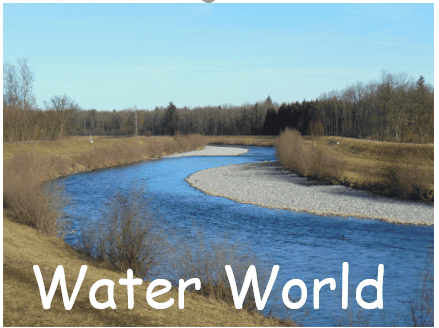
In our Water World topic, pupils will explore the fascinating features and importance of rivers. They will begin by learning what a river is, identifying key parts such as the source, channel and mouth, and understanding the journey a river takes from its source to the sea. We will also study significant rivers in the UK and around the world, including the River Thames, River Nile, and Amazon River, and learn why they are important.
Children will investigate how people use rivers for transport, farming and daily life, as well as the impact humans can have on river environments. We will explore ways to protect rivers and carry out a local study, observing features of the River Witham and recording our findings.
Science – States of Matter
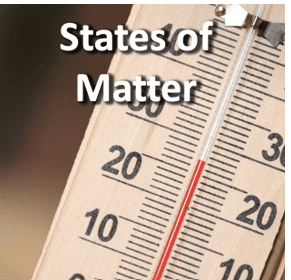
In our States of Matter topic, pupils will explore the differences between solids, liquids and gases, learning how to identify and group materials based on their properties. They will investigate how materials change state through processes such as melting, freezing, evaporation and condensation, linking this to temperature.
Children will also develop their scientific enquiry skills by planning and carrying out fair tests, including investigating how temperature affects melting and evaporation. They will learn to make predictions, measure carefully, and record results using tables and graphs. Pupils will also study the water cycle, understanding how water moves through different stages. Throughout the topic, children will build confidence in explaining their ideas using scientific vocabulary and evidence.
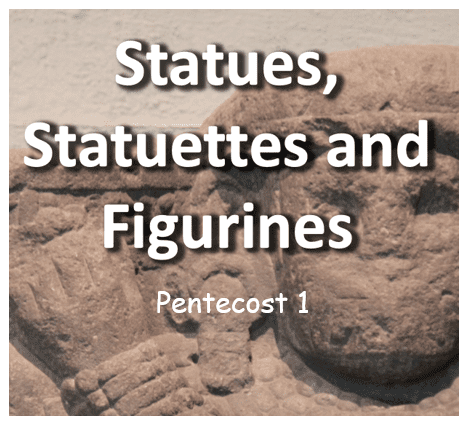
Art – Statues, Statuettes and Figurines.
In our Statues, Statuettes and Figurines topic, pupils will explore the art of Ancient Egypt, learning about different types of sculptures and why they were created. They will study key features such as pose, symmetry, proportion and materials, and how these reflect Egyptian beliefs and artistic rules.
Children will then design and create their own Egyptian-inspired figurines using clay, carefully including traditional elements such as symbols, clothing and posture. They then will explore how colour was used in Egyptian art and apply this to their sculptures to show meaning. Throughout the topic, pupils will develop their skills in analysing, creating and evaluating artwork, using appropriate artistic vocabulary to reflect on their work.